The Figure on the Box Is Not a Promise: Measuring Real UPS Runtime Before the Winter Cuts
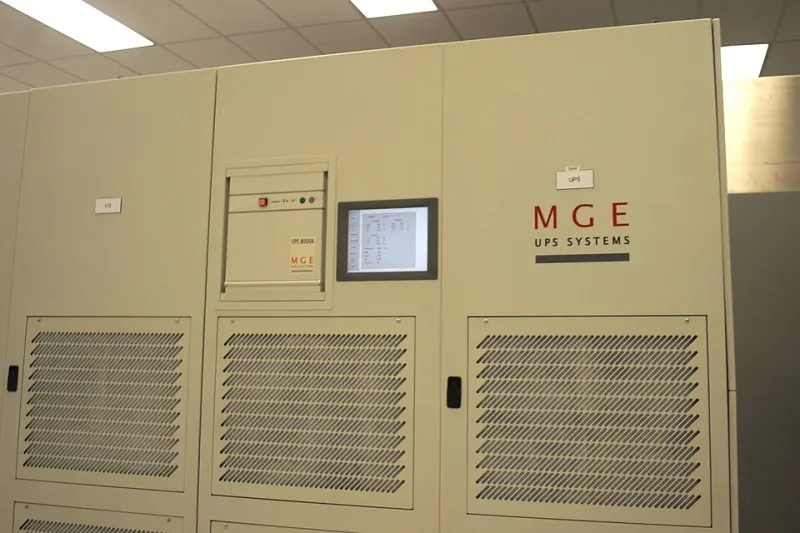
Photo: Derrick Coetzee from Berkeley, CA, USA, CC0, via Wikimedia Commons
A UPS is often bought on a single number: the runtime quoted on the retailer's page. That figure is usually derived from a laboratory load at a convenient power factor, with a new battery at a controlled temperature. A UK home lab in November is rarely so tidy. Virtualisation hosts, PoE switches, NAS units and assorted always-on devices present a mixed load, the battery may be two or three winters old, and the cupboard under the stairs is not a climate-controlled test cell. Before the storm season brings its first unplanned outage, it is worth replacing the marketing figure with a measured one.
Begin with the load you actually draw
Runtime is a function of load, and load is the variable most often guessed. A 1500VA UPS does not deliver 1500W; the wattage rating is typically 60 to 70 per cent of the VA figure, and the useful runtime depends on what is connected rather than what could be connected.
Measure the real draw at the wall. A plug-in energy monitor with logging is adequate for mains-powered equipment, provided it can record over a representative period. For rack equipment on a PDU, a clamp meter with a true-RMS function is more practical. Record two states: the steady idle draw and the peak observed during a controlled workload, such as a backup job or a VM migration. The difference matters. A lab that idles at 180W but peaks at 340W will behave very differently under outage conditions than the idle figure suggests.
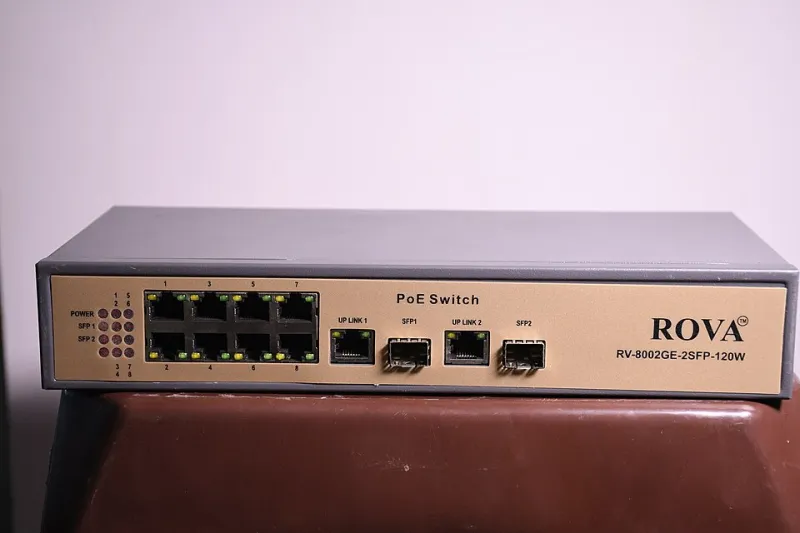
Separate the essential from the optional. The UPS should carry the equipment needed to shut down cleanly and keep the network alive: the hypervisor host, the NAS, the core switch, the ONT and router. Desktop monitors, printers, lab switches used only for testing and anything with a resistive heater should not be on battery backup unless there is a deliberate reason. Every watt removed from the critical load buys runtime without spending money on another battery.
Battery age, temperature and the limits of self-test
Sealed lead-acid batteries age in ways that self-test routines cannot fully characterise. A UPS may report a healthy battery after a brief transfer test while its capacity has fallen well below the original specification. Calendar ageing, depth of discharge and ambient temperature all contribute. A battery that has spent three summers in a warm cupboard will not match the datasheet, even if it has never been deeply discharged.
Temperature is the quiet variable. VRLA capacity falls in the cold and service life falls in the heat. A garage or unheated outbuilding is a poor home for a UPS battery in a UK winter; a cupboard beside a boiler is worse in the long run. If the UPS must live in a cool space, treat the measured runtime as a winter figure and repeat the test in summer rather than assuming the result is permanent.
A controlled test you can defend
A runtime test is an intentional outage. It should be planned, logged and abortable. Choose a low-risk window, tell the household, and ensure nothing depends on the lab for the duration: no overnight backups, no remote sessions, no heating controls or access systems.
Use the UPS management interface to log the event. Network UPS Tools on Linux, or the vendor's own agent, can record input voltage, load percentage, battery voltage and runtime remaining at intervals. A simple spreadsheet is sufficient if the agent only exports a log. Note the start time, the measured load in watts, the ambient temperature and the battery's date code.
Disconnect mains input at the plug or breaker, not at the wall socket with equipment dangling. Let the UPS carry the real critical load, not a dummy resistive load, because the inverter's behaviour and the load's power factor both matter. Abort the test when the UPS reaches a sensible floor: typically 20 to 30 per cent remaining, or earlier if the battery voltage sags disproportionately. Do not run a small UPS to hard cut-off to prove a point; the last few minutes add little information and shorten battery life.
Record the elapsed time to the abort point and the load at that moment. Repeat once, after a full recharge, to check consistency. A single result can be an outlier; two similar results are evidence.
Interpreting the result
There is no universal pass mark, but a practical framework helps. For a critical load that must survive a typical UK distribution network fault, 15 to 20 minutes is a reasonable floor; many short interruptions clear within that window. If the measured runtime is at least half of the manufacturer's figure for the same load, the battery is performing within the bounds of normal ageing. If it is below roughly 30 per cent of the claim, treat the battery as end-of-life and plan replacement rather than relying on derating.
Also examine the shape of the discharge. A battery that holds voltage for several minutes and then collapses is not giving a predictable warning. A linear decline is easier to plan around. If the UPS reports a runtime estimate that diverges sharply from measured time, trust the measurement and adjust the shutdown threshold accordingly.
When the figure disappoints
The first response is not always a larger UPS. Replacement batteries are cheaper than new hardware and often restore most of the original runtime. Confirm the battery part number and date code, and dispose of the old cells through a local household waste recycling centre that accepts lead-acid batteries.
If replacement is not enough, reduce the critical load. Move the NAS to a lower-power mode during outages, shut down test hosts automatically, and keep only the network core and the primary storage on battery. A second smaller UPS for the network equipment can be more efficient than one large unit running at low load.
Where runtime remains marginal, automate the response. A shutdown script triggered by the UPS agent can power down hypervisors and storage in a defined order, leaving the switch and router to run until the battery is nearly exhausted. Test the script during the controlled outage, not during a real one.
Turning runtime into a winter plan
The output of the test is not a number for the datasheet; it is a timetable. If the measured runtime is 22 minutes at 240W, the shutdown sequence should begin at 12 minutes remaining, with storage flushed by 8 minutes and the network core left to the last. Write the sequence down, attach it to the UPS, and set the thresholds in the agent.
Repeat the test every six months, and always before the storm season. Batteries age quietly, loads creep upward, and the figure on the box never changes. The measured figure is the one that keeps the lab intact when the lights go out.